
Well hello. I’ve not posted for months, partly because very little has been happening horticulturally and as a result there’s been little to say. It’s more than that though. I think this winter has been particularly challenging on a psycho-spiritual level…more storms, more gloom, more wet, more terrible things in the news and a challenging professional environment. All the negativity bashes the creativity out of me – I can’t be alone in this?
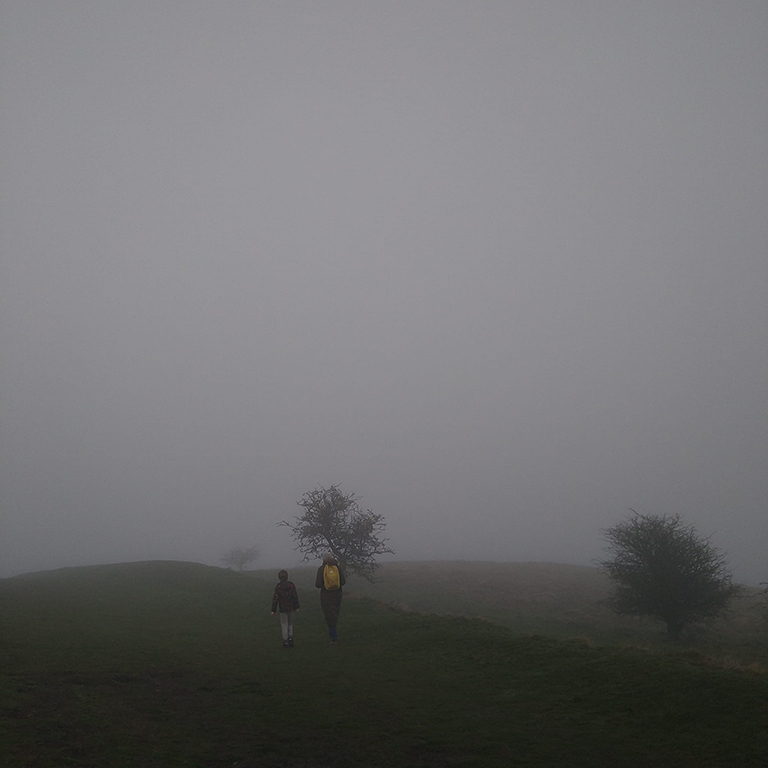
But now we’re in March and the sap is tangibly rising, and things really do feel brighter. The faint sense of coming back to life started a few weeks back, during February half-term, when we headed down to Cornwall – at that time of year there’s 20 minutes of daylight more than here in the Midlands. I gloried it in (chicken pox and high winds notwithstanding).
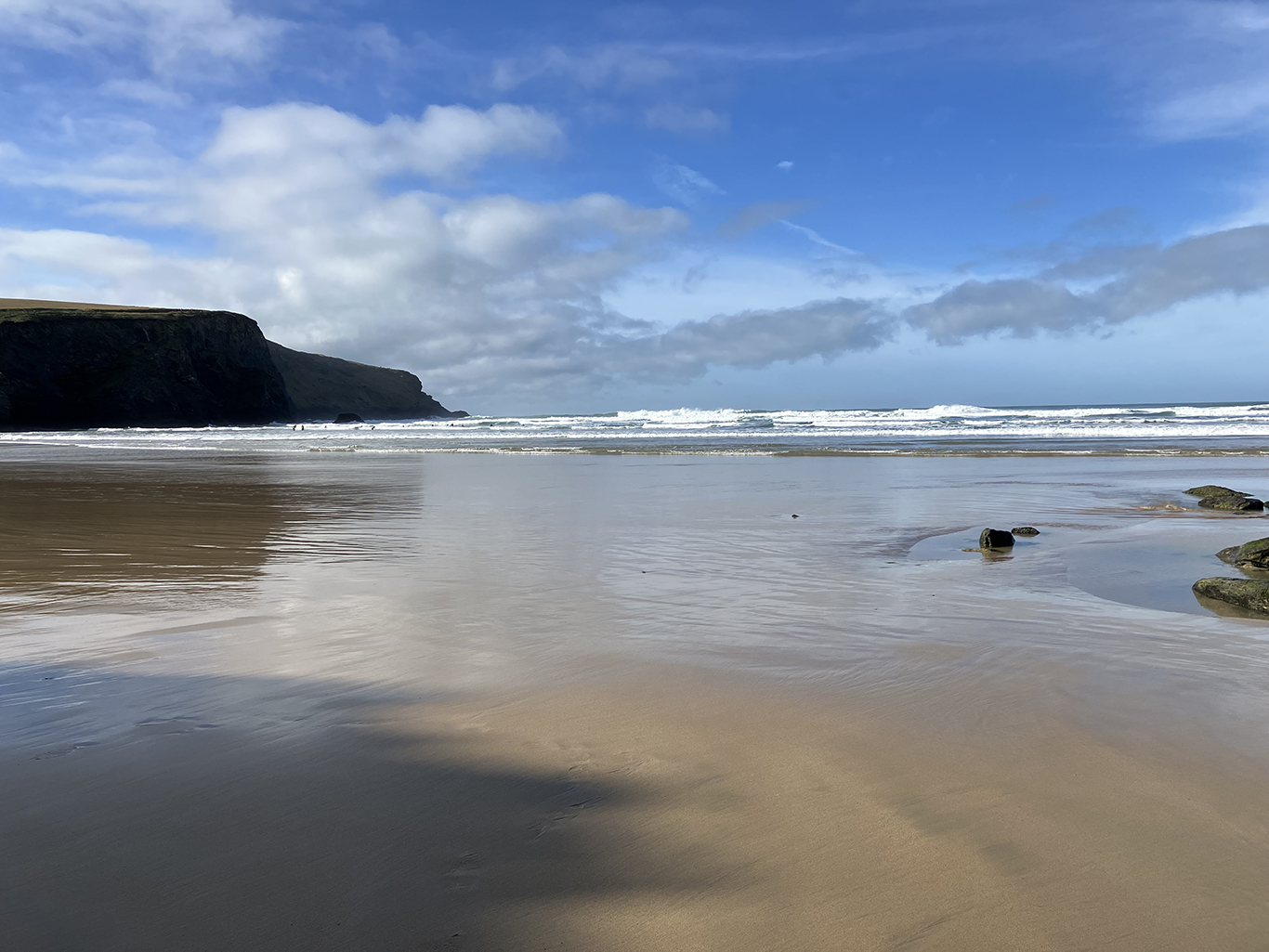
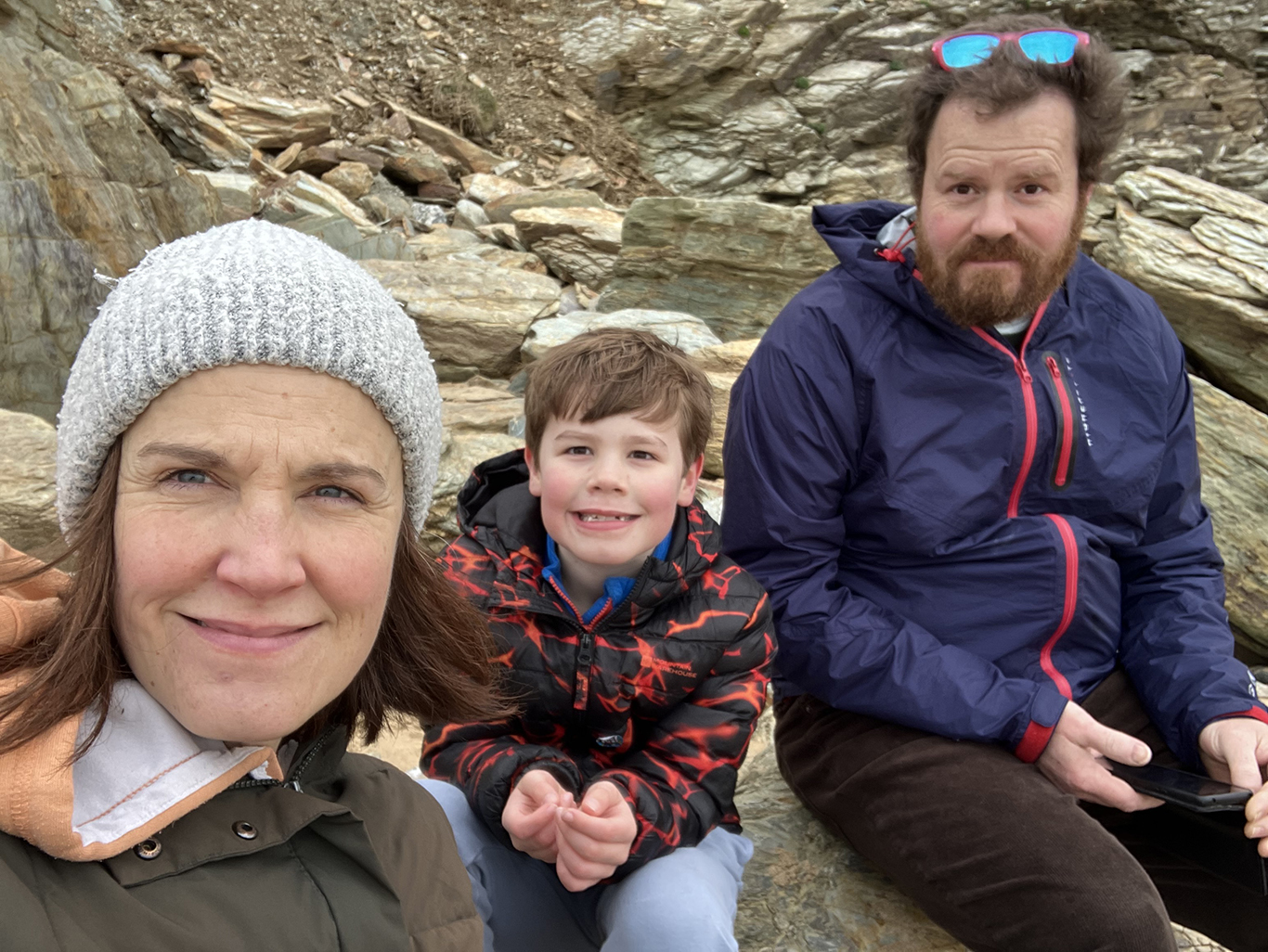
In this strange time between December and February I’ve been vaguely mulling over a few things, in no particular order….soil, lost traditions/the old ways, connectivity, community, quietness, getting older, navigating the needs of humans vs the contemporary megaliths of big tech.
Whilst in Cornwall we visited the Ithel Colquhoun exhibition at Tate Modern – Colquhoun was a surrealist artist, heavily interested in mysticism and folk – I’d never come across her before but reading her book The Living Stones, which tells of the lives of Cornish folk in the 1950s, I was transported into this world which I have never lived and yet it still resonates, for it is the world of our grandparents’ generation. Small village communities supporting each other, life guided by the seasons, supported by hard physical labour. In this time of globalism and general noise (much of it from over the pond) there’s a communal nostalgia, I think, for that apparently more simple way of living, and it’s given rise to a revival of folk traditions and a whole strata of publishing about the natural world.
I’ve also been reading more work by John Seymour, the self-sufficiency expert writing in the 1970s-1990s, who captured the lives of rural small holders in his series The Woodlander, The Smallholder and The Shepherd (1983). He talks of the ability – now long gone – for an ordinary man to raise the capital to buy a few acres of land on the back of hard-work and savings (rather than debt), and how it’s possible to then live off that land provided you put the effort in and live frugally. Would I ever want to do this? Well no, but there’s lessons in there regardless – about the wisdom of self-reliance, of using and valuing what you have, and respecting the land upon which you work.
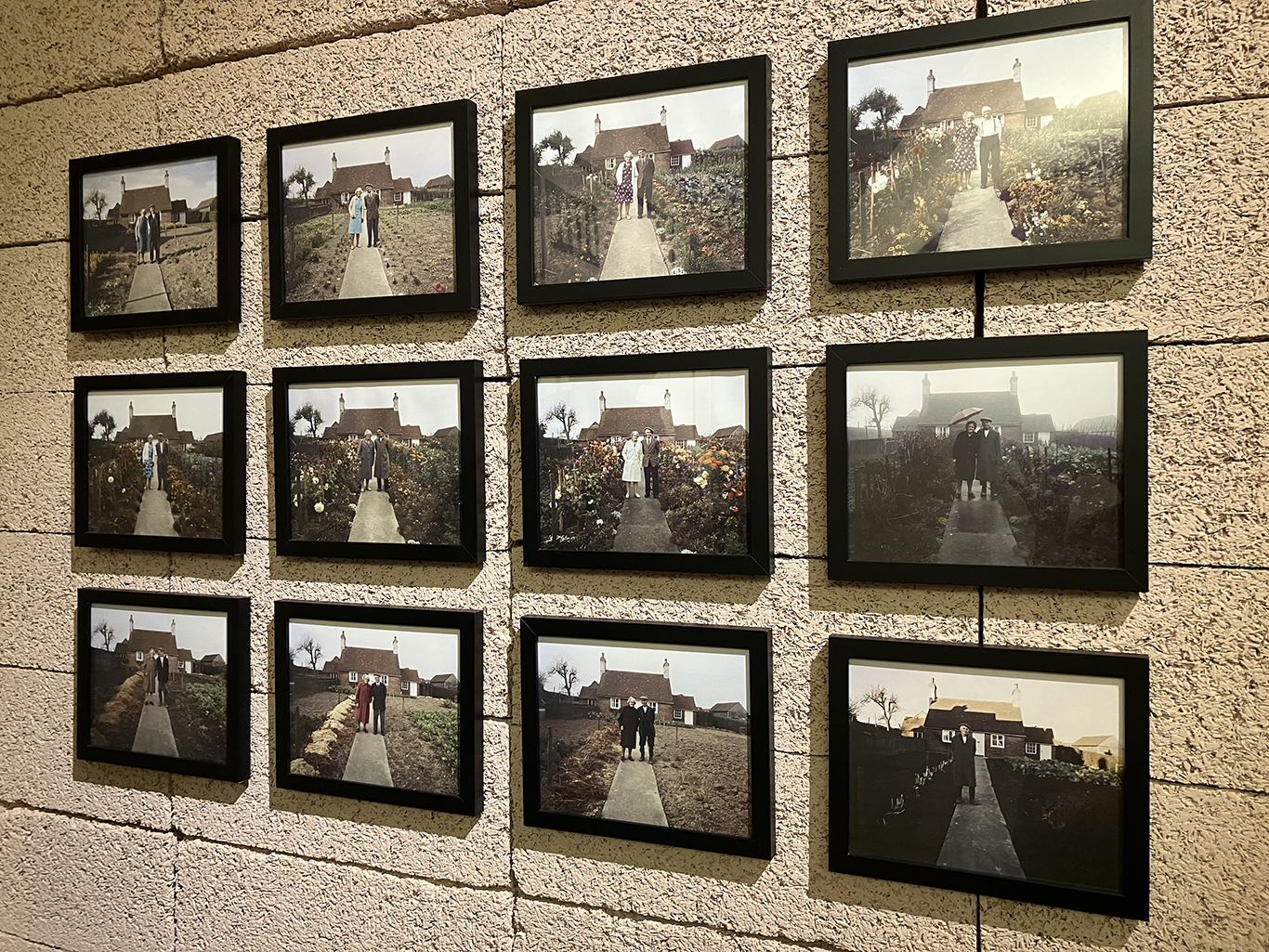
But there’s danger in falling down the nostalgia trap. Lives, particularly rural lives, in those days were hard, and there was little safety net (unless you’re a rich artist living off your father’s wealth of course). I visited the Soil exhibition at Somerset House last week and this series of photographs, taken over the course of the year, really resonated. This elderly couple, in their humble cottage, have turned their entire back garden over to cabbages and dahlias – the soil is bare for most of the year – and we see both a snapshot of a family (the heartbreak in the last image when the man stands alone, his wife now gone) but also a completely standard way of living that saw working people grow their own produce, both for themselves and for income. Horticulture is for productivity. I know this life! As does Matt. For again, it is our grandparents’ generation. To see this ordinary scene given its place in a grand London exhibition reaffirms my point above, that the traditional rural life has now become the zeitgeist.
Moving on from art. Soil has also been on my mind. In December we had gales, which brought down loads of big trees, not to mention our garden fences. Uprooted trees bring with them the chance to take a look beneath the ground and I was surprised to see just how sandy the subsoil is around Bearwood; there’s not a bit of clay in sight.
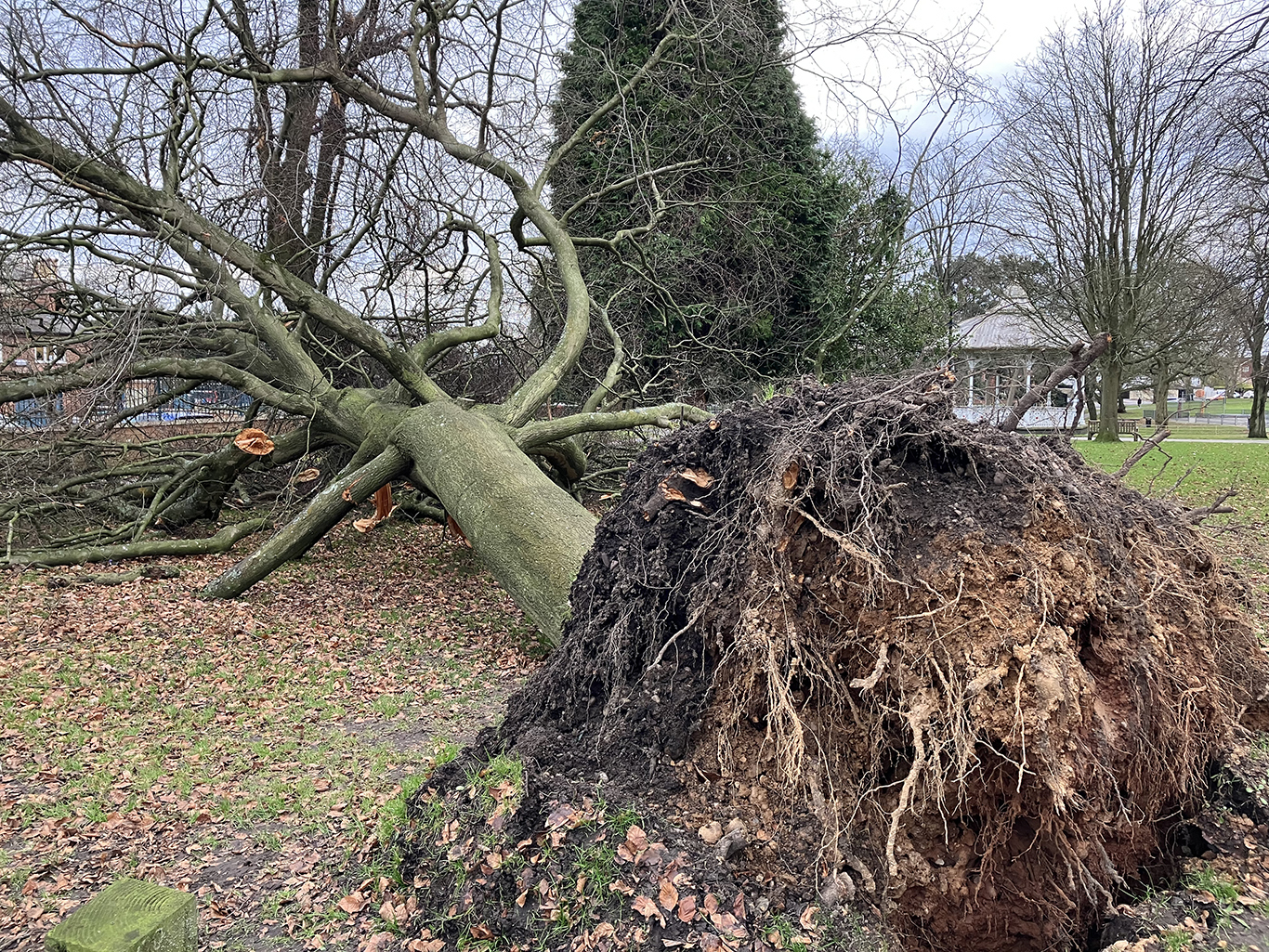
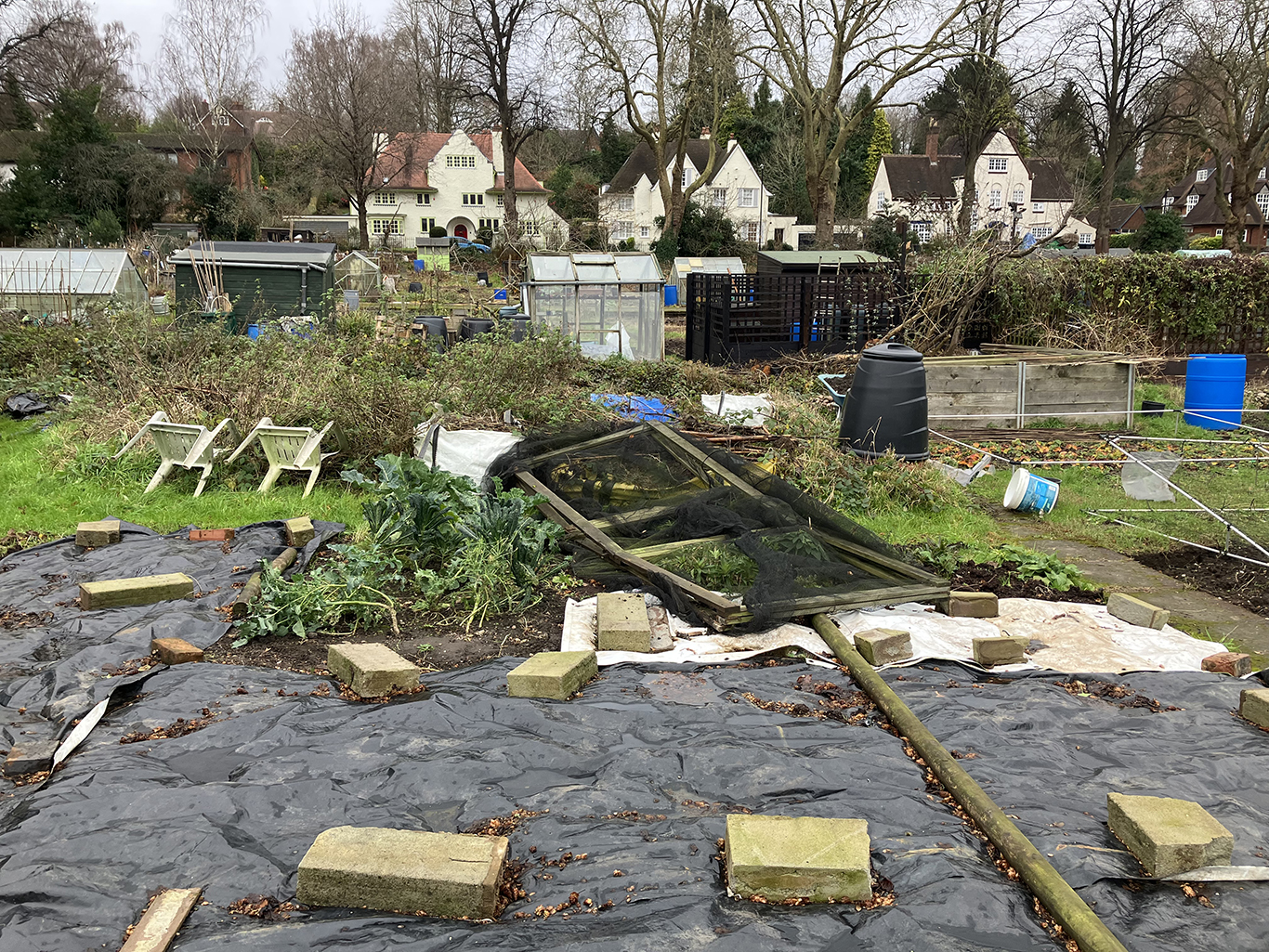
On the allotment I already know that we’re basically growing in a gravel pit, and I wonder what this means for the fertility in the soil. My instinct is that much of the nitrogen gets washed away every year – but I don’t know for certain, and I also don’t really know what the solution is. Fifty years ago the plot holder would have chucked a load of artificial fertiliser down, but that’s now so deeply unfashionable I am pretty sure you can go to prison for it. Going back further, the farmer would have brought in his sheep or chickens or whatever to manure the soil, ready for the next crop. Again, not an option here.
These days, the conversation about soil has become part of this general nostalgia for the old ways. People like The Land Gardeners will charge you a small fortune to ‘heal’ your garden soil by adding a load of microbial-rich additives – good science, but it’s lifestyle horticulture, aimed at a well-heeled gardener. Groundswell talk to the farmers about RegenAg, which is essentially about diversity of crops, minimising soil disturbance and maintaining ground cover.
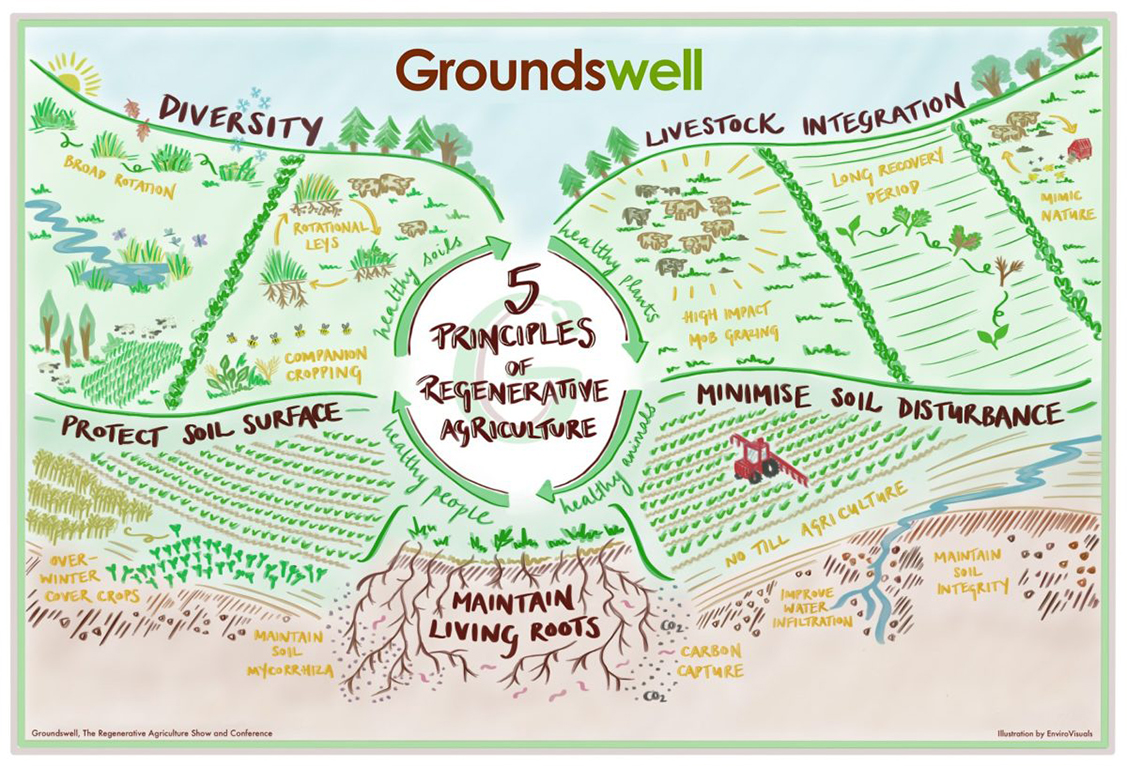
On the plot, I’m happy to spend a bit of money to maintain soil health, but I don’t want to fall pray to clever marketing. The manure that I put down in November mimics the livestock element of the traditional rotation, I suppose, and the black plastic is a form of mulch to prevent the worst of the nitrogen run off. I don’t tend to dig anymore, but we could do more with ground cover during the growing season to protect the soil surface – I am inclined to keep the plastic down for longer this year, maybe until May, to see if it makes any difference to both soil texture and temperature.
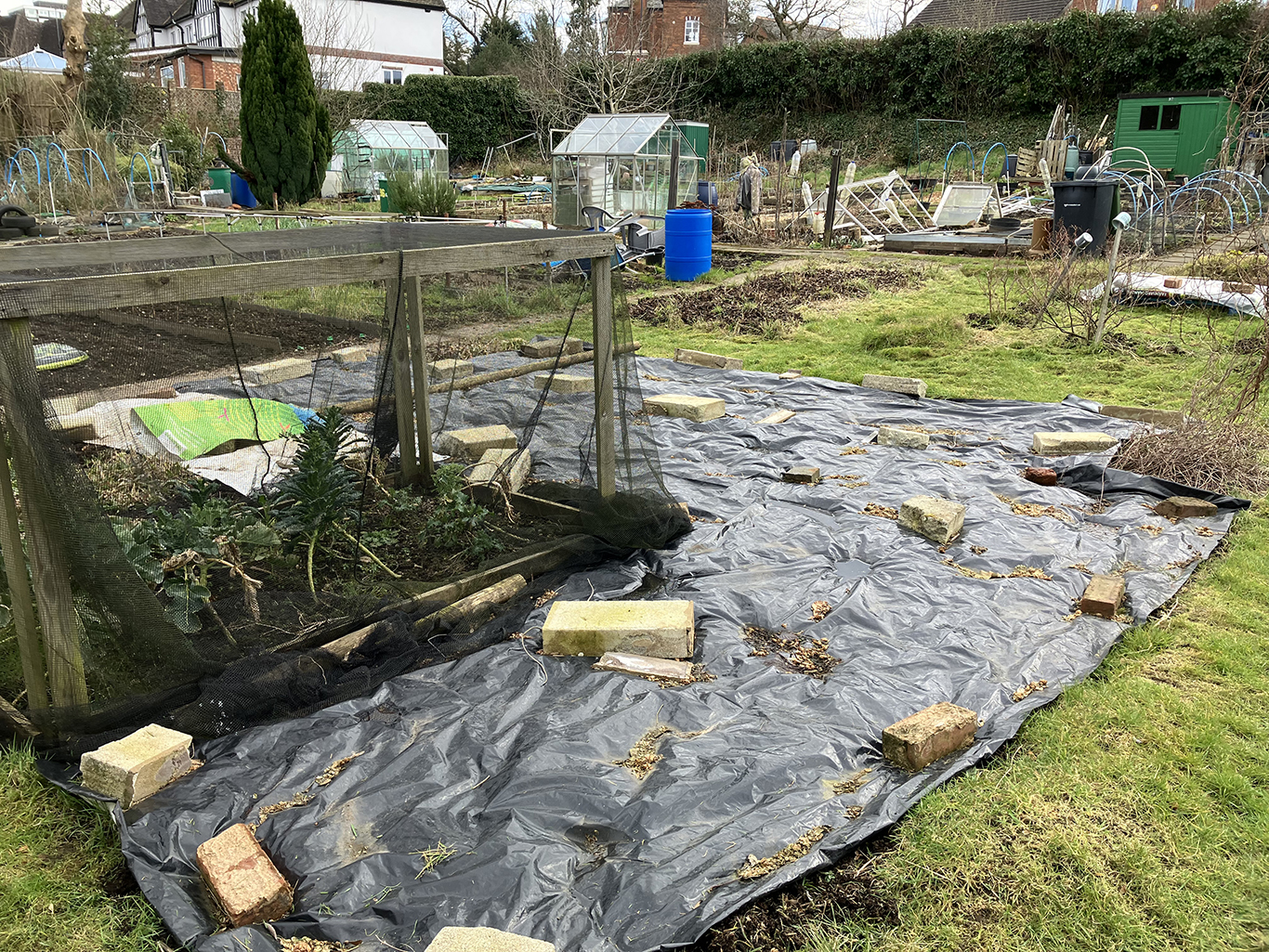
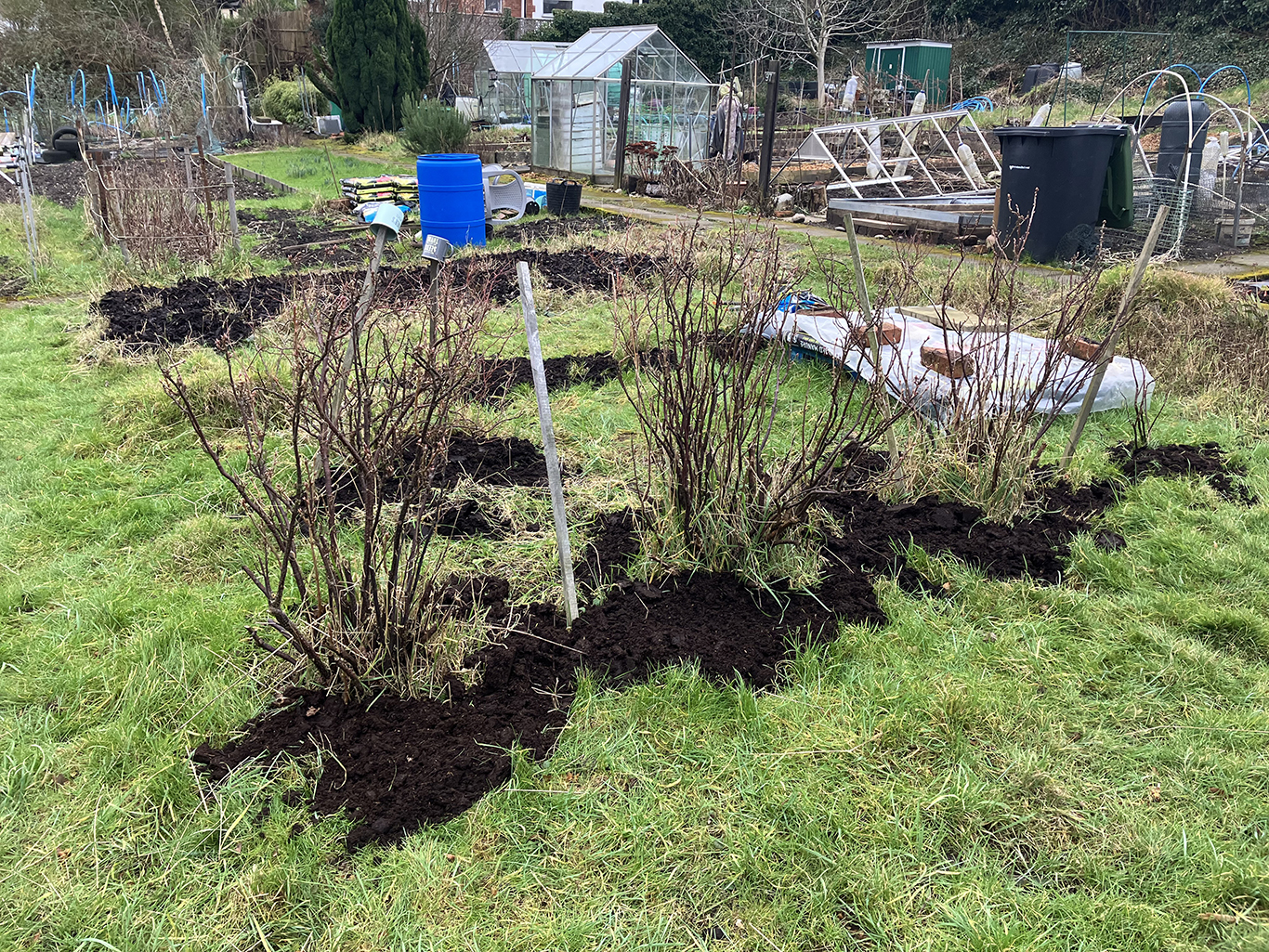
The grass continues to thrive (annoyingly) but that’s because when I cut it, I leave the cuttings in situ – which then rot down and put nitrogen back, a not-so-virtuous circle of my own making. I will never win the grass battle though, so there’s little point worrying about it. The currants got mulched this year for the first time since we took the plot on, as have the raspberries. Everything else is still under cover, warming and waiting to take on the seedlings that are currently germinating in the sun room.
I never thought when we took over the plot in 2013 that I’d end up spending a winter thinking of the philosophy, history and science of soil…and really coming back to the same conclusion, that the more I learn, the more I realise that I know absolutely nothing. The combination of physical activity and intellectual curiosity is of course what drives me on.
Also this month:
Harvesting: Nothing, apart from a bit of rosemary and a few chard leaves and parsley from the salad drug.
Sowing and planting: Started off the hardy annuals including kale, spinach, broad beans, calendula, amaranth. Keeping the seed sowing slow and steady so I don’t run out of space. Cornflowers are ready to go out and sweet peas will be potted up by the end of the month.
Also: Lots of remedial works. Fixing the garden fences has taken literally months but they’re in good nick now. I’ve got 3 lots of clematis ready to go in, hopefully to provide a screen against the bare wood. Narcissi tete-a-tete is out in pots but still a week or two to go until the garden narcissi are in flower.
Cooking and eating: Trying to live slightly more frugally given the cost-of-living crisis, so the batch cooking continues. Baking brownies, oaty cookies, pancakes, chocolate cake etc on repeat.