Kentish apple cake

It’s been a scorcher of a summer. I think the last decent few days of rain we had was back in May half-term, and whilst there’s been the odd bit of drizzle here and there, it feels like we have had end-to-end sunshine throughout June to August. As a result the hedgerows are already feeling autumnal, with the fattest acorns I’ve ever seen, deep red hawthorn berries and there’s been blackberries for the taking for several weeks already. On the plot it’s (as usual) a story of success and failure – I’ll come on to that, but first, a quick flash through the summer.

On the last day of term, I took advantage of my last day of freedom for the foreseeable and headed to Wilde Goose Nursery, up near Ludlow, for a few hours inspiration and escape. It’s definitely in my top 3 gardens (Kiftsgate and Hidcote all jostling for position), and feels so fresh – amazing colour combinations, a jumble of umbellifers, prairie plants and wild flowers all humming with insects, flowers and edibles in together, and it looks as if it’s accidental but of course the effect is very carefully designed. I think Wilde Goose may well be the pinnacle of the art of summer gardening.

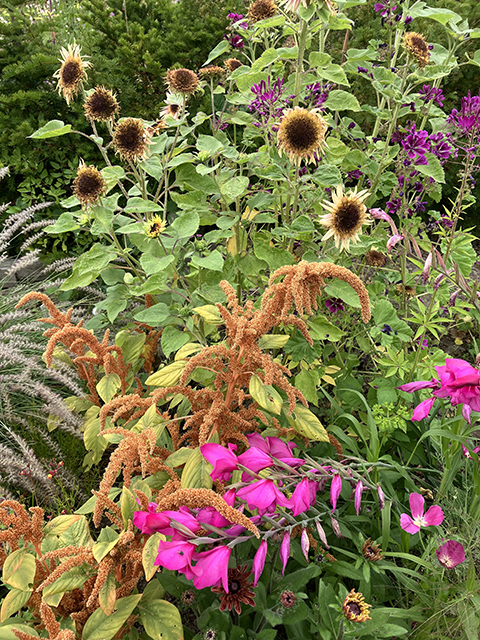
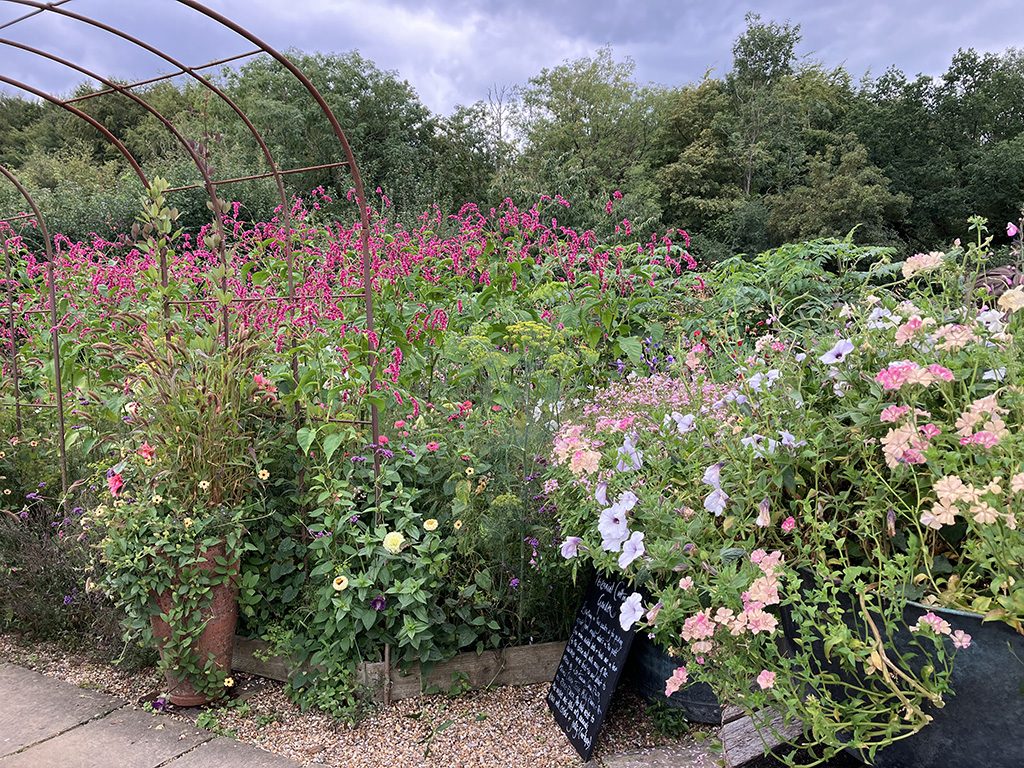
Loved these colour combinations, the coral-hot-pink against purple…
…and here antique caramel shades matched with magenta. Gorgeous.

Then we’ve had weeks of exploring and adventures, taking in Suffolk, London, Cotswolds, Kent.

Day fishers from Aldeburgh
A Hepworth at Snape Maltings
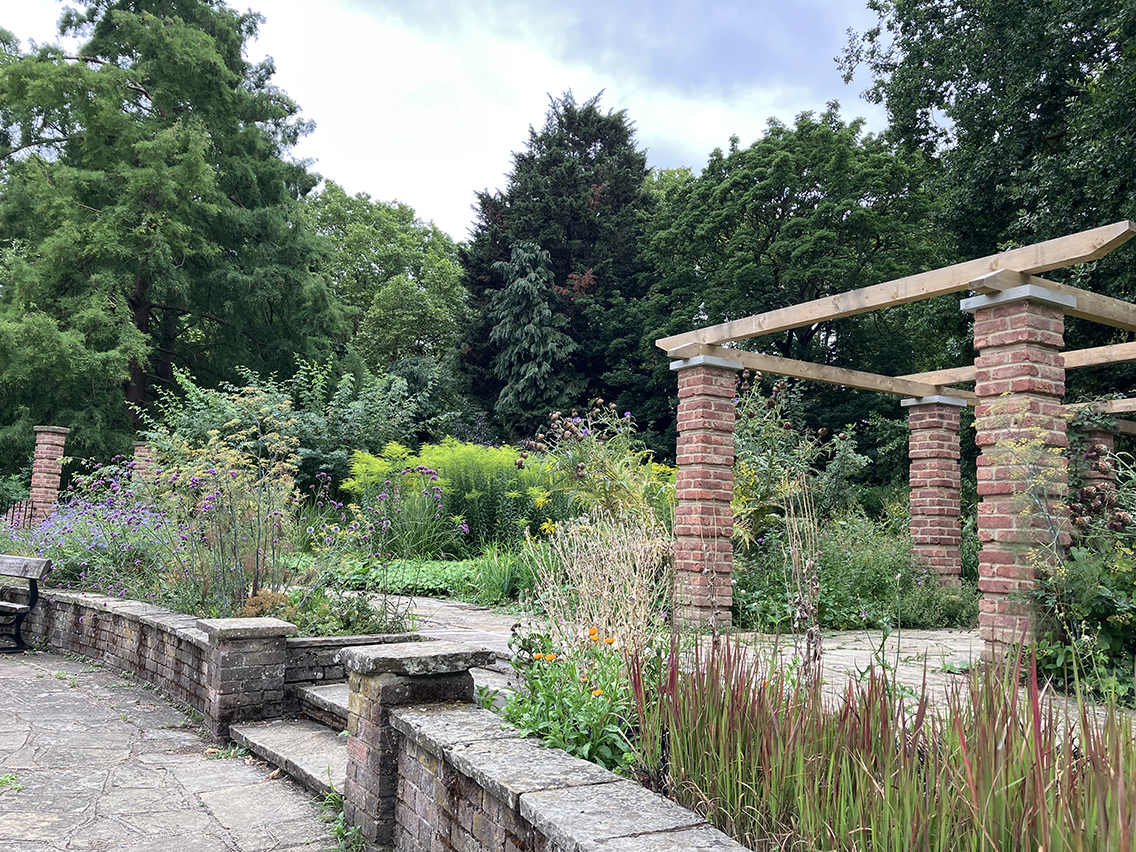
This was a very happy discovery. The Ada Salter garden, hidden away in Southwark Park, a perfect example of a 1930s garden and lovingly preserved. Which you don’t expect from a municipal park in these days of cuts and cuts and more cuts. Ada Salter is well worth looking up – she worked hard to transform slum conditions around Southwark, including through greening up.
My favourite sheep at Tenbury Show
Giffords Circus at Minchinhampton – an utter joy
Harry at Coughton Court (I got him off his screen for a few hours – major win)
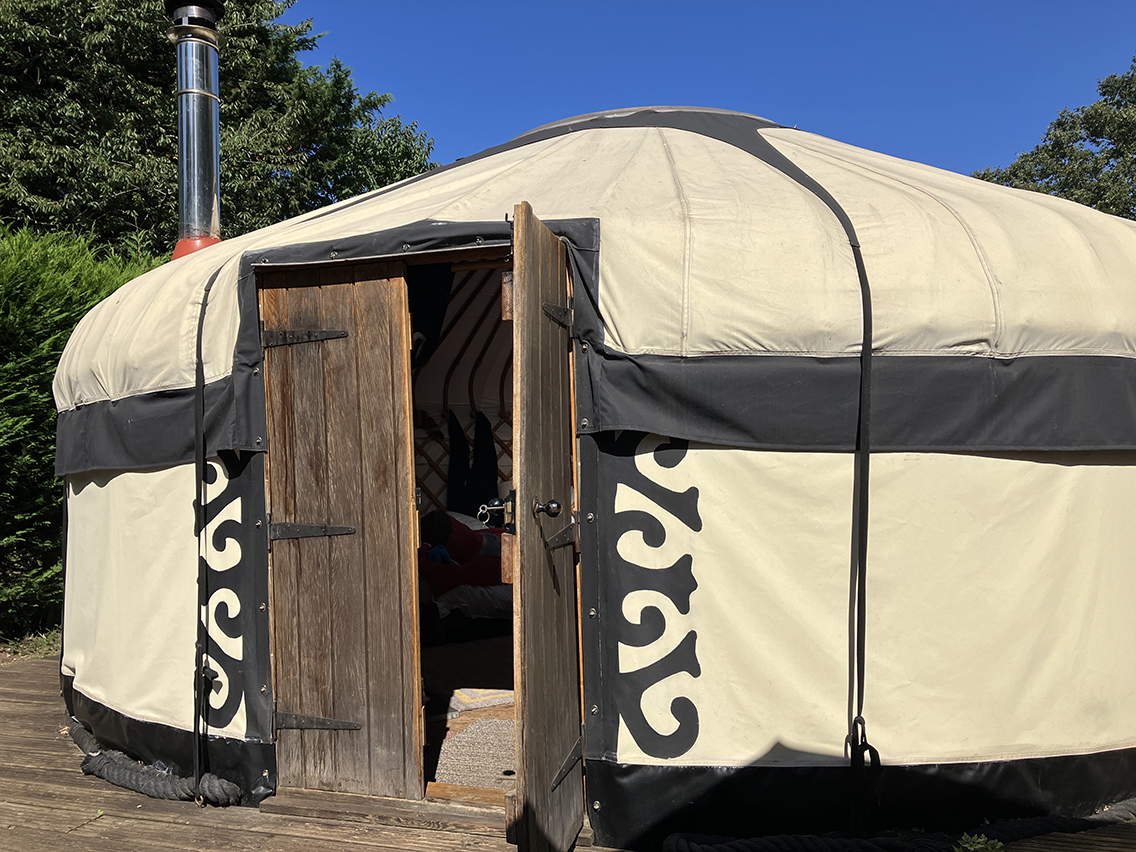
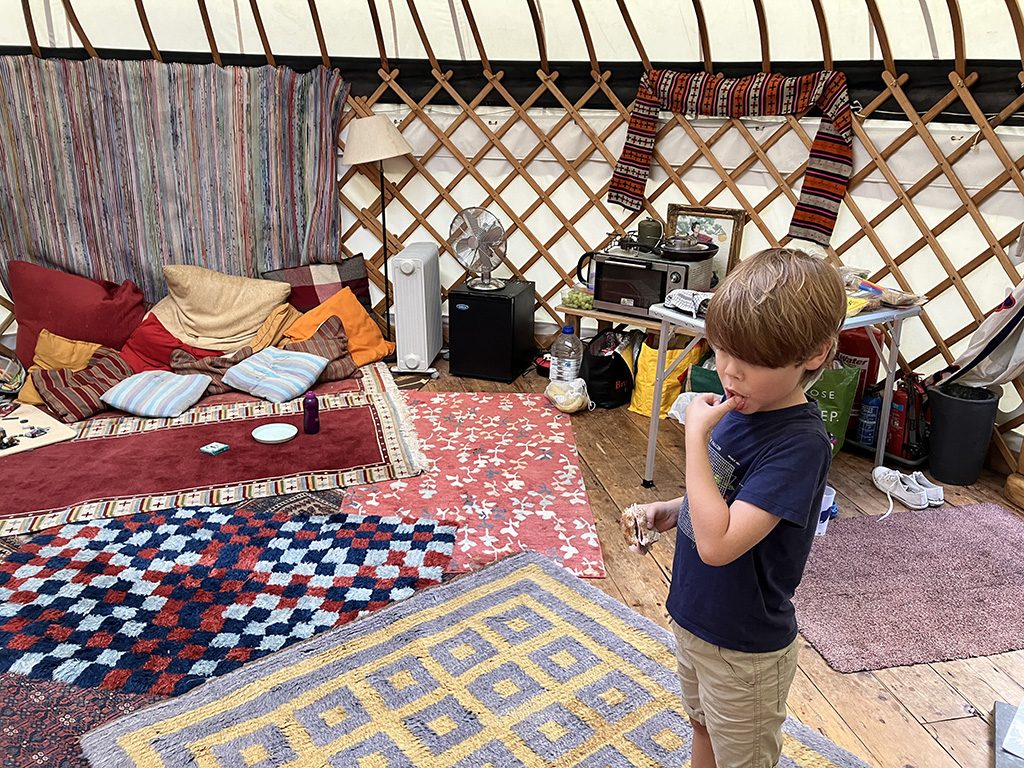
Camping in the yurt at Brede, East Sussex
Had to evict this guy a couple of times
The Brede flower festival included one of my favourite things – a cake table with proper home-made cakes, run by the ladies of the village. Homemade Victoria sponge, Battenberg and Bakewells. This is what proper baking is all about.
Taking in the full magnificence of Knole in Sevenoaks, childhood home of Vita Sackville West and inspiration for some of the Bloomsbury set. A life of such privilege that it is almost incomprehensible to modern eyes.

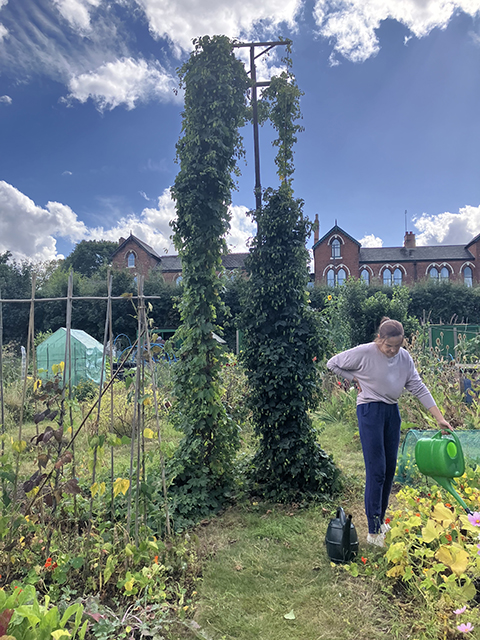
And so back to the growing. This fist photo was taken on 29th July, with cosmos, squash, broccoli, sunflowers all looking fresh. The next, taken today by Harry, tells a different story – whilst the plants are still holding up pretty well considering the drought, the squash leaves have now faded to yellow, the first sowing of French beans are over and it will soon be time to cut the hops. Autumn is creeping towards us.
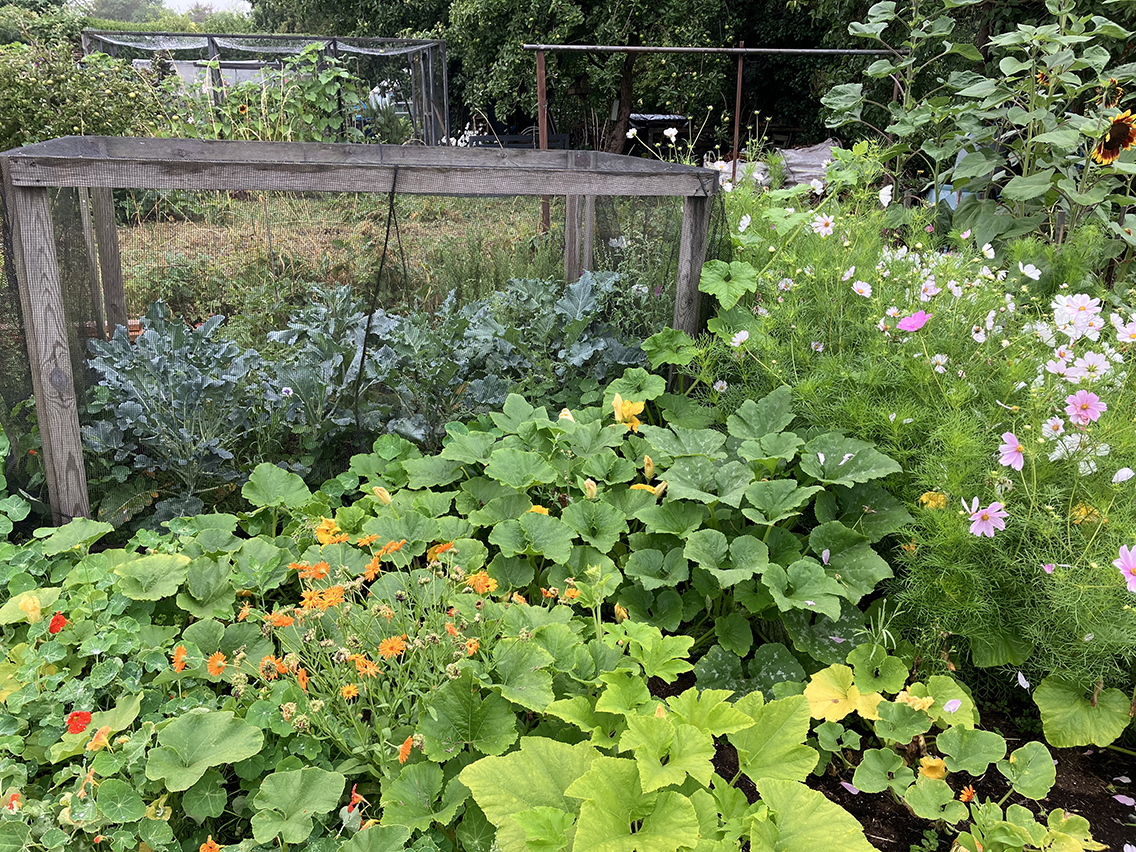
Squash and cosmos, 29th July
Beans have died back and squash is now yellow – 26th August

The French beans (dwarf and climbing), runner beans, chard, perpetual spinach, broccoli, kale, strawflowers, cosmos, sunflowers, teasels and dahlias have all been outstanding. Long cropping, seemingly unbothered by the hot dry weather and low maintenance. On the other hand, the potatoes have not been great, and the raspberries this year are a disaster – lack of water is the issue. But as long as you don’t worry too much about aesthetics – which increasingly on the allotment I don’t – on balance, it’s been a good year. And a bumper year for insects too; butterflies, ladybirds, grasshoppers and crickets noticeably abundant. There’s still more to come of course, with the chrysanthemums budding nicely, carrots and parsnips fattening, and there’s the repeat sowings of French beans still to crop.

Seasonal eating is what it’s all about at the moment. Last week I came home from my parent’s house with a carrier bag of Truly Scrumptious apples, a patio self-pollinator with fruit that I think works well in baked dishes despite technically being an ‘eater’. Given that we’re just back from Kent, this Kentish Apple Cake from Sarah Raven is just the ticket. (If you’ve a glut of apples, don’t forget they can be peeled, sliced and frozen, then added to cakes, tarts, pies etc straight from the freezer).

Kentish Apple Cake but with Worcestershire apples. This is not a posed photo, but then again, this is real life.

Kentish Apple Cake
From Sarah Raven’s Garden Cookbook

115g butter
175g self-raising flour
1/2 tsp ground cinnamon
50g sultanas, which I soak in hot water for a few minutes to plump up, then drain
90g caster sugar
225g apples, peeled and finely diced
Zest and juice of 1 lemon
2 eggs, lightly whisked
Demerara sugar for dusting

Preheat the oven to 170c and grease and line a cake tin – my preference for this is a 7inch round tin.

Rub the butter into the flour and cinnamon until it resembles breadcrumbs. Stir in the sugar and eggs to combine. Fold in the apples, lemon juice and zest, and sultanas until thoroughly combined. Tip into the tin and smooth the top. Bake for about 45 minutes or until done. I like to dust Demerara sugar over the cake a few minutes before it’s finished cooking, to set the sugar. Leave to cool in the tin.

This is good for a ‘plain’ cake or for pudding. Like all wet fruit cakes, it won’t keep too well, so eat it up quickly.

Also this month:
Harvesting: Runner beans, French beans, courgette, kale, chard, perpetual spinach, new and main crop potatoes, cherry tomatoes, raspberries, sunflowers, dahlias, cosmos, snapdragons, strawflower, gladioli, teasel, last cornflower, last scabious.
Cooking: Runner beans with tomatoes, minestrone, gingerbread, heaps of sandwiches and picnics
Also: Started off annuals for next year: ammi, scabious, cornflower, violas. Also rocket, mustards and spinach for winter eating, hopefully.

August, Perch Hill & Sissinghurst

Summer is already closing down. The hedgerows are ripe with berries and haws, autumn cyclamen have nudged their heads through, and I’ve just spent a fortune on new school uniform. August has been intensely busy; not always enjoyably so. There’s been a lot of (too much) work, which makes school holidays a challenge. Living in the moment is difficult when there are too many calls on your time and energy, and this is particularly hard at this time of year, knowing that the light, the heat, the colour, will soon fade away into winter. So I’m looking forward to September, in the hope of a quieter few weeks, getting some essential tasks finished in the garden and allotment, and hopefully an Indian summer after the endless rain of July and changeability of August.

This post is a visual scrapbook of my August, including notes from the veg patch, my biannual pilgrimage to Perch Hill and Sissinghurst for creative inspiration, and other bits of messing about.

Allotment life

In short, after a lousy start, we’ve done OK on the allotment this summer. July rain helped enormously, creating an abundance of French and runner beans, excellent soft fruit (in particular the raspberries) and a good number of courgette. No kale this year, due to all the slugs and that rubbish compost, though there’s still chance of a winter harvest.

Perennial cut flowers now a riot of colour
Climbing beans (runner, French, borlotti) have thrived in the wet summer

The dahlias, snap dragon and gladioli are particularly happy this year, meaning I’m getting regular car boot-fulls of cut flowers. The colour way is definitely on the pink/white spectrum, and next year I’d like more orangey-red-peachy shades plus some light, airy stems. Special note to the sweet peas, which have thrived in pots in the gloom, and are still flowering now even as we near September.

A regular boot full of blooms and berries
Dahlias nudging up against sweet peas
Hot magentas with whites

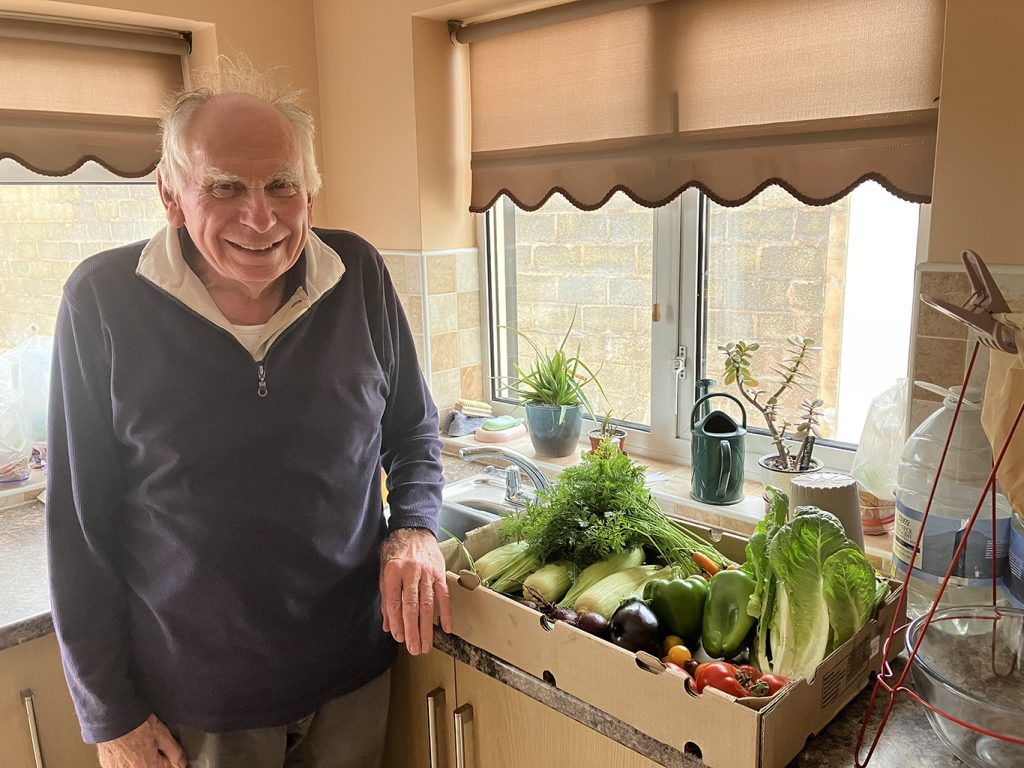
It should be noted that any modest success I have is put into proportion by my Mum and Dad, who could be market gardeners really. Every trip home I am given a veg box heaving with tomatoes, cucumbers, carrots, aubergine, lettuce, sweetcorn…

Every visit home leaves me with a veg box

Perch Hill, East Sussex

To Sussex, for the dahlia open day at Perch Hill (Sarah Raven’s cutting garden). It’s my fourth visit here, for this place is SO brilliant, so abundant, so creative in its planting combinations and colour, that it’s a joy to visit. Happily since learning that they have several full time gardeners (and pots of cash of course) I feel less bad about the comparison to my humble efforts.

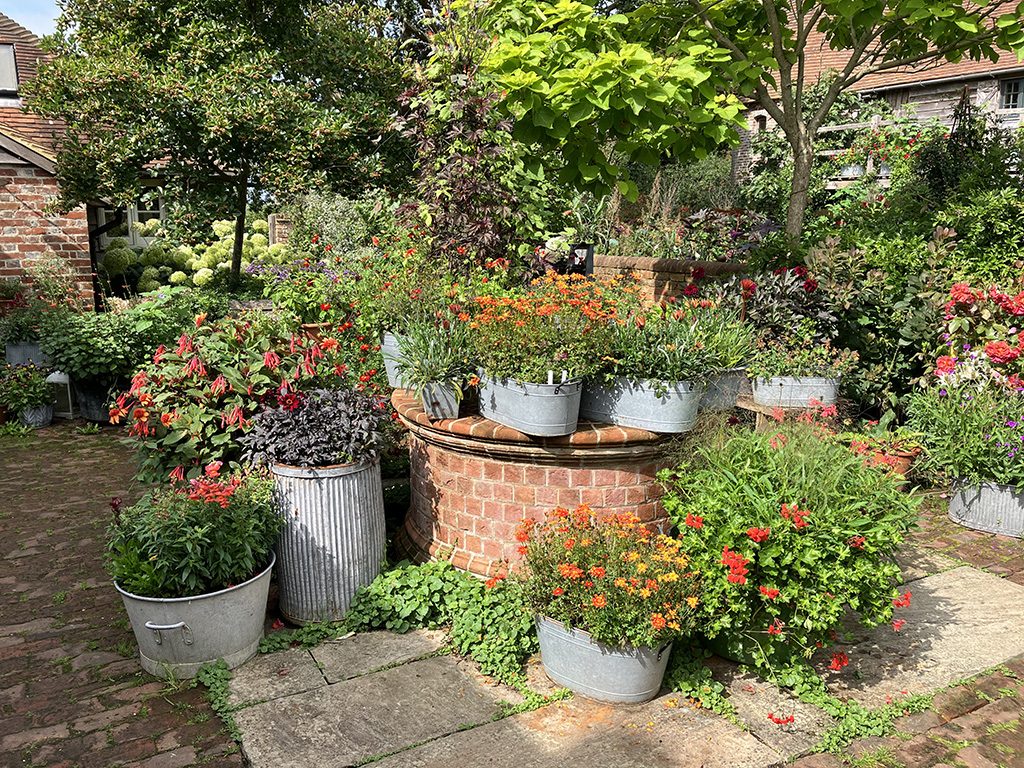
Take aways for me this year are the coral/peach spectrum dahlias, which I would like more of, and the sheer number of pots with hot, vibrant shades of really quite common plants such as French marigold, achillea and fuchsia, which feels very achievable at home. The persicaria orientalis is amazing, towering over me with magenta colour.

The sensational dahlias beds
Ammi visnaga is as tall as me, crammed in with scabious and more dahlias in the cutting garden
Love the persicaria orientalis, a good eight feet tall and hot pink
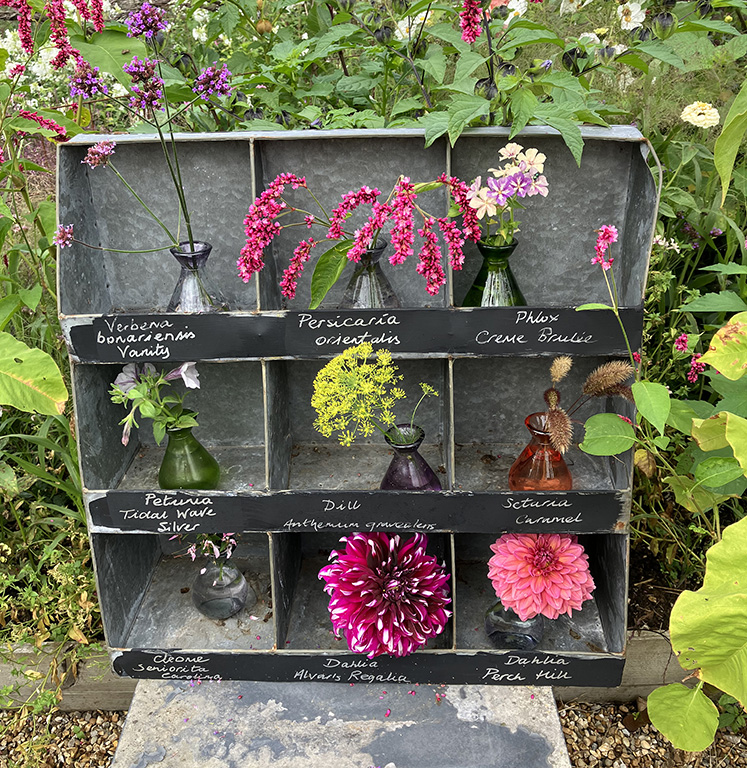
Helpful plant ID stands are dotted around the garden
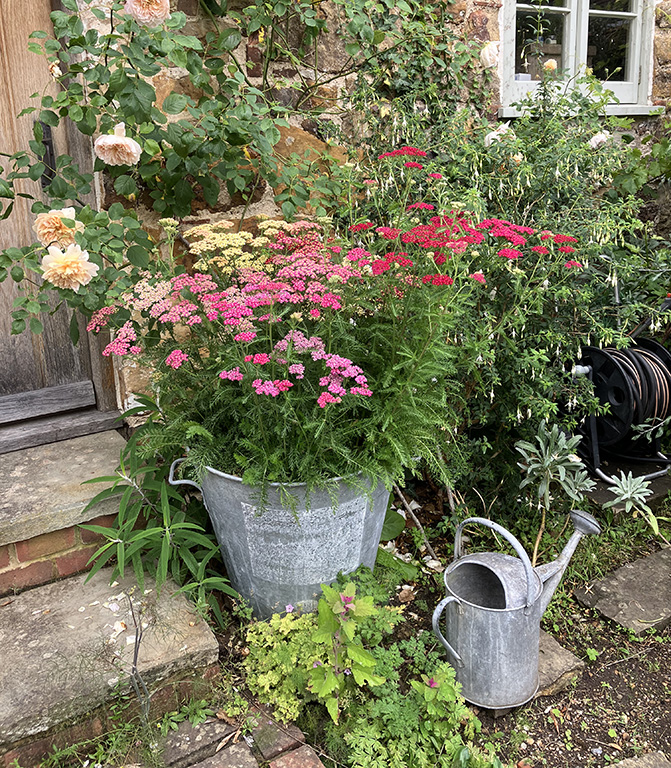
Enjoyed the clashing achillea crammed together into one bucket
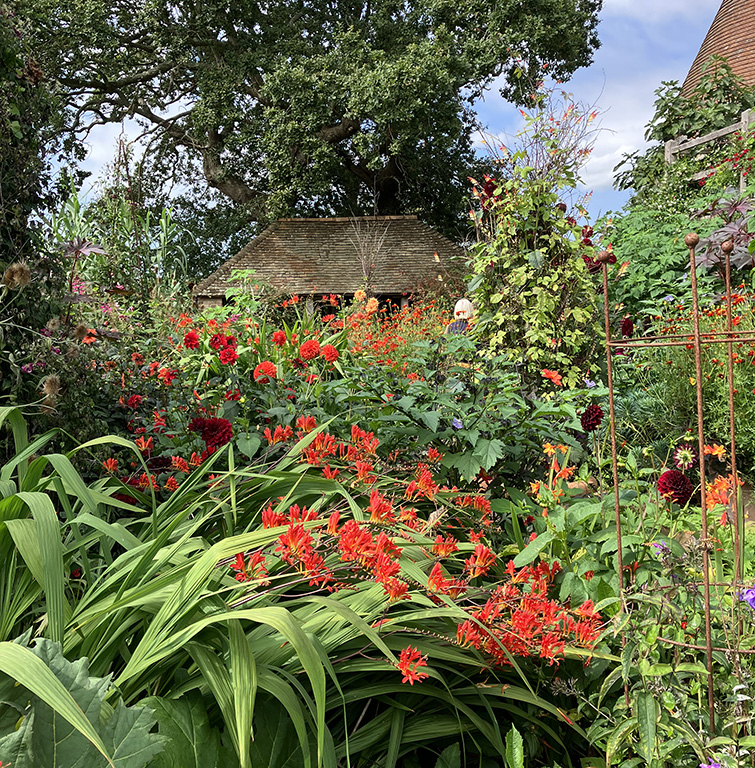
The Oast garden is a jungle of hot-coloured abundance
Rich oranges and corals in the Dutch Garden

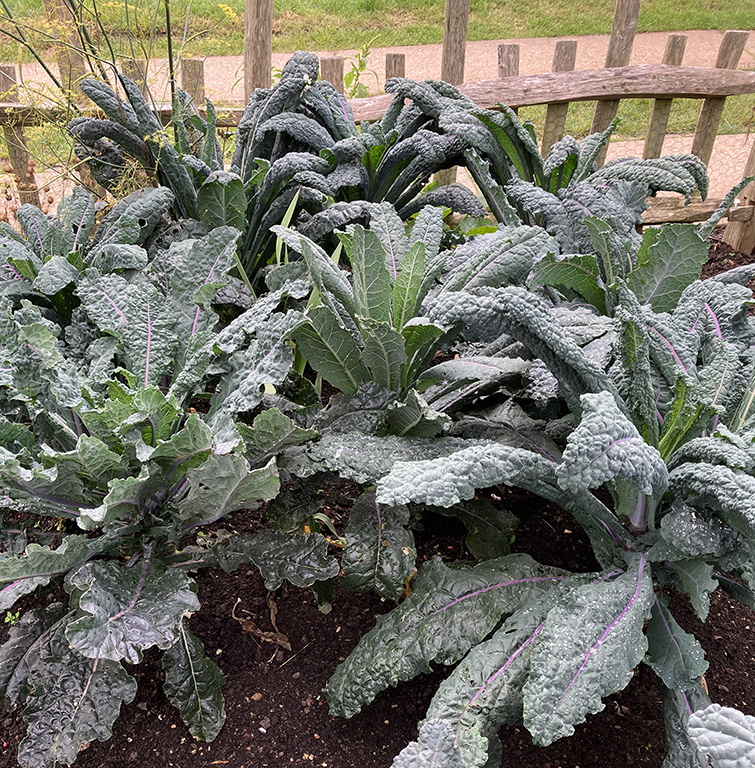
My stand out plant was actually not a flower at all, but this humble kale, called ‘dazzling blue’ – I presume it’s a cross between a cavolo nero and a blue kale, and planted next to orange marigolds looked amazing.

My star plant was actually this kale called Dazzling Blue – a beauty

Sissinghurst, Kent

On to Sissinghurst, the pinnacle of garden design – a place of romance, bohemia, artistry and of course serious hard graft for the people who keep it going. I wanted to soak up the beauty of the rose garden and see the newly planted dry garden (Delos) for the first time, but mainly my visit was to see what this place does at the end of summer, for Sissinghurst is famously a garden for June.

The answer is that the cottage garden is vibrant with jungle colour – oranges, reds, yellows, from more French marigolds, sunflowers, cannas and rudbeckias. Simply wonderful.

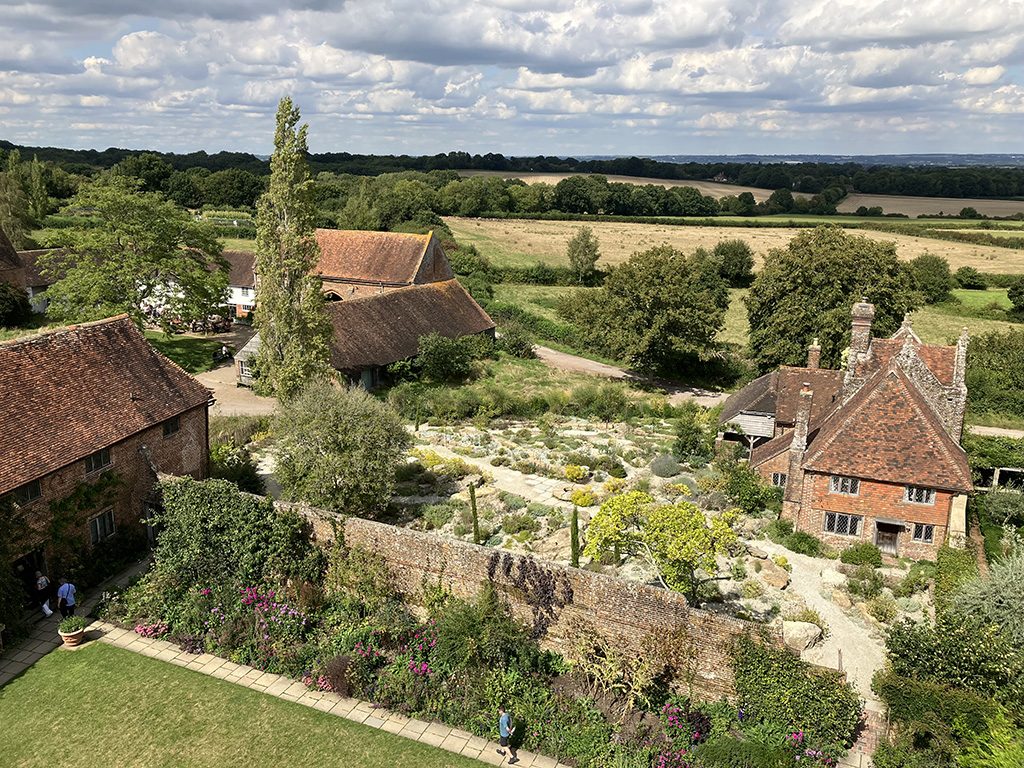
View to the rose garden from the tower
Looking over Delos, the newly recreated dry garden
Yellows and oranges in the cottage garden
Love this clash of red and orange

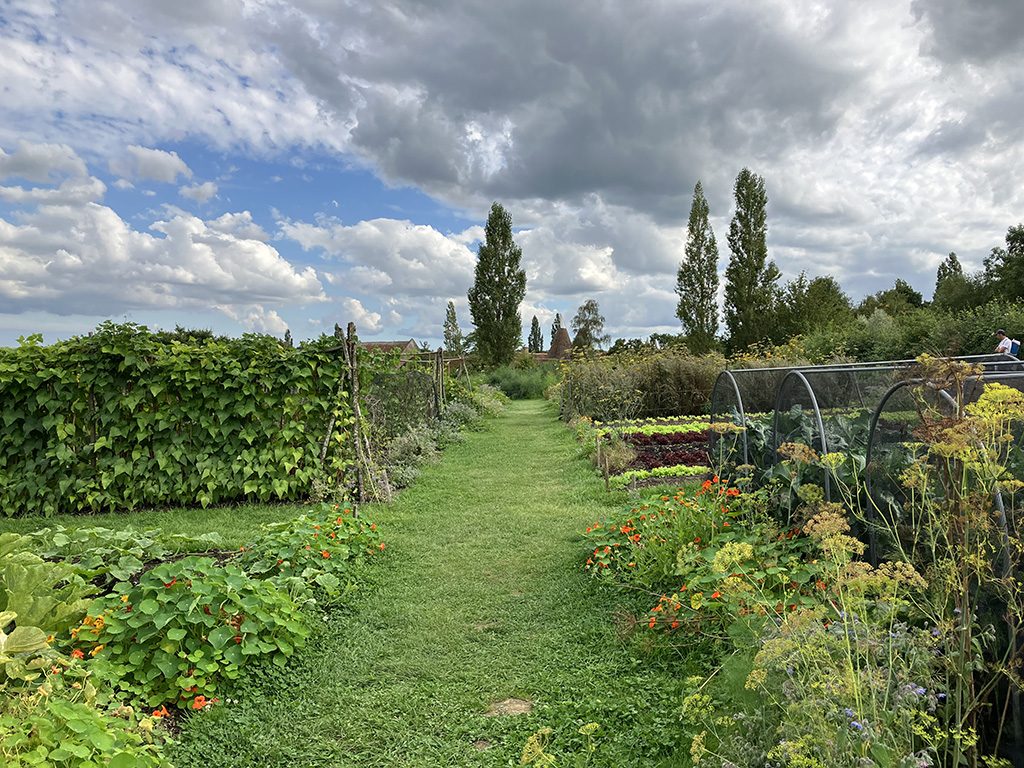
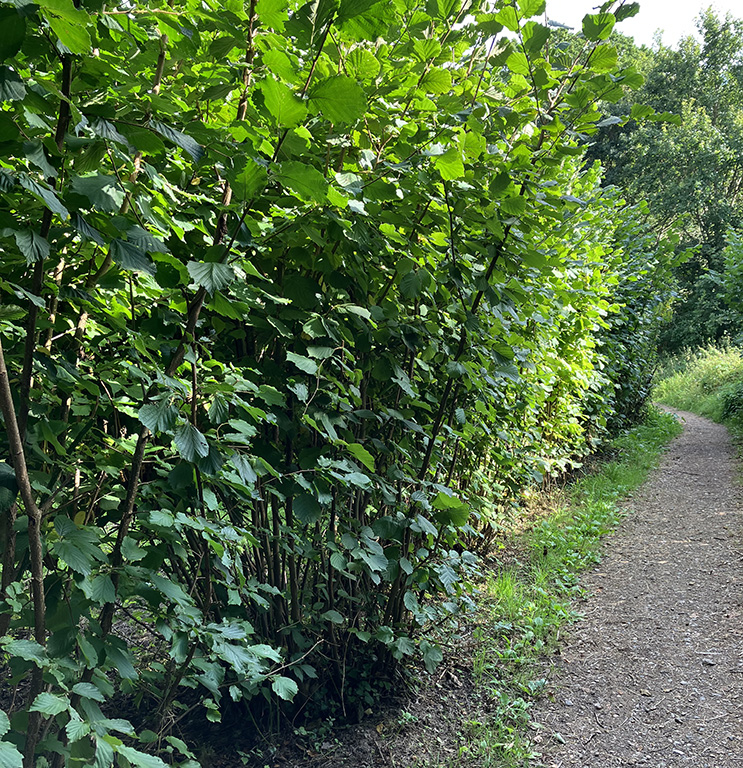
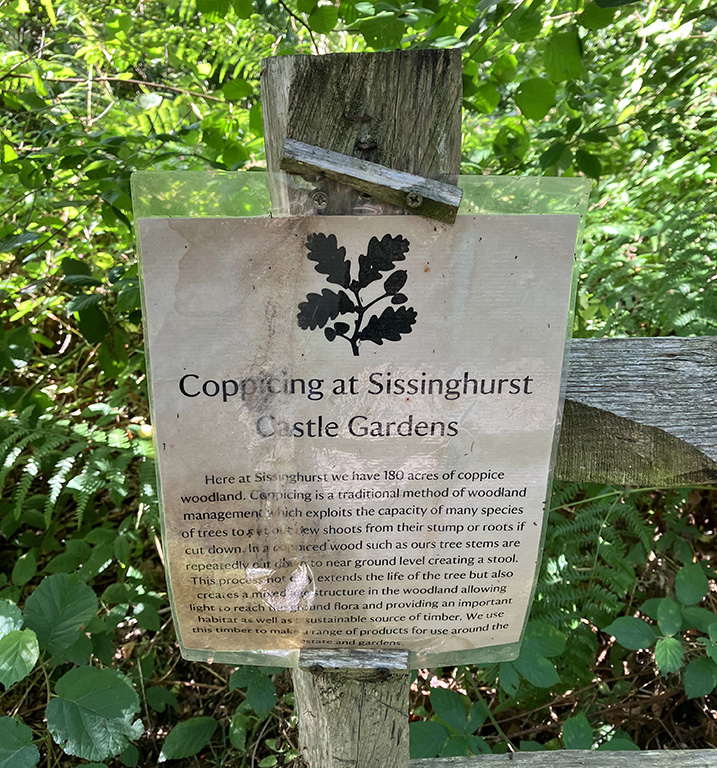
The other thing Sissinghurst does at this time of year is grow serious (I mean serious) amounts of fruit and veg. The kitchen garden is so vast and so productive that it’s kind of unreal; this isn’t your usual pretty-pretty National Trust veg patch, but a serious working market garden. That, and they coppice of course, a tradition that is rich in this part of Southern England but harder to find further north. As a family we are, naturally enough, extremely drawn to this sustainable method of wood production.

Sissinghurst hosts the veg patch of dreams! Beans, squash and lettuce in abundance.
Sissinghurst has acres of coppiced hazel
The tradition of coppicing is rich in Kent and Sussex

August living

Work, harvesting and gardens aside, there has been a bit of messing about. A weekend in the Peaks, a visit to London, a few days in a yurt…

On top of Thorpe Cloud in the Peaks
Yurt life! It’s our second visit to the yurt at Dogwood Camping near Rye. This time we got wise and brought the mini oven, meaning that baked pancakes and fish-finger curry were on the menu (not on the same plate obviously).
Spotting fish in the Sissinghurst lake. The wider woodland at Sissinghurst is a revelation, well worth an explore, and completely free of visitors.
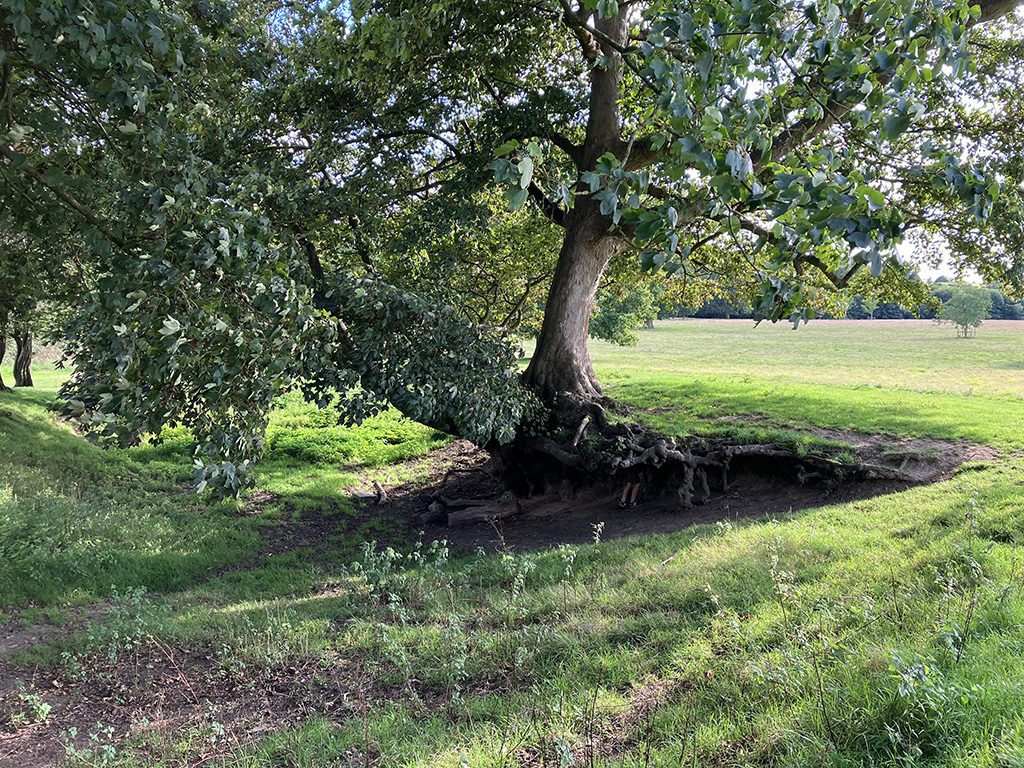
Playing soldiers in Kent parkland (you can just see Harry’s legs)
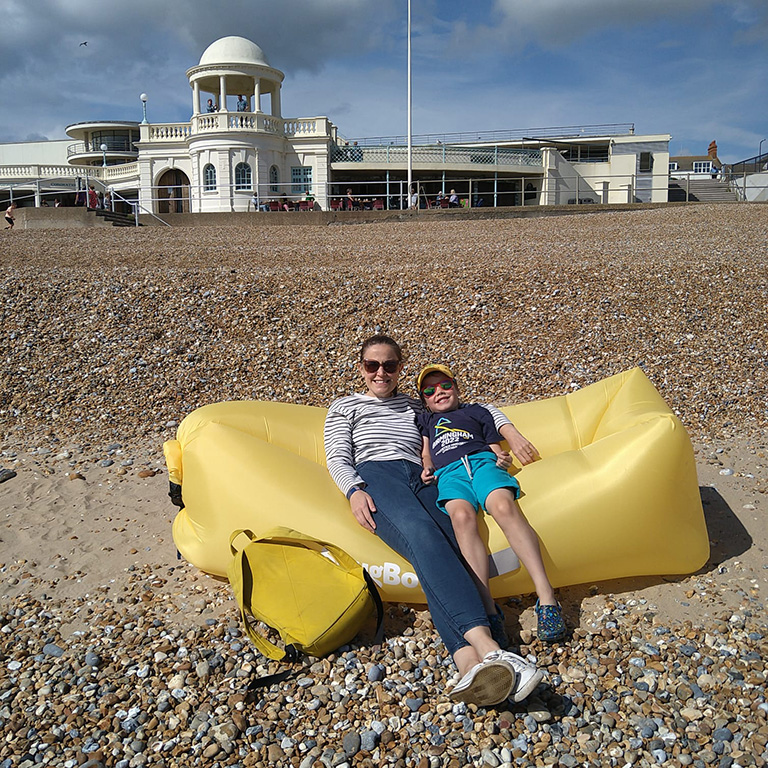
Messing about on the beach at Bexhill
Picnic at Dungeness

Also not pictured: rain storms, tantrums (from both child and parents), mud, over-priced ice cream, emergency trip to Morrisons for aforementioned fish fingers, big fat CLOSED sign at Knole (ffs), traffic jams, horrendous numbers of work WhatsApp messages at evenings/weekends, guilt at not being more available for work, guilt over not being more available for family, slugs, weeds, washing piles, YouTube videos.

Also this month:

Harvesting: French beans (purple ones particularly productive this year), courgettes, raspberries, blueberries. Runner beans I am leaving to pod up, then harvest as we would borlotti. No greens/kales this year. Dahlias, cosmos, snapdragon, glads, self-seeded cornflowers, last sweet peas. Every trip home I am gifted tomatoes, excellent cucumbers, beans, aubergine, peppers, blueberries…the list goes on.

Allotment: Put down three green manures to compare their efficacy. Squash doing well. Hops and crysanthemums have both succumbed to some kind of insect/virus attached. Sunflowers nearly out, though one has died after having its stem stripped by enterprising wasps. Could do with more perennials…dahlias, oranges/red/coral shades, plus rudbeckia, helianthus, that kind of thing.

Cooking and eating: Camp food – fish-finger curry, chicken goujon tacos, baked plum pancakes, thermos of tea. Lots of plums. Prepping bags and bags of soft fruit, apples from Clives, roast tomatoes and beans, and sweet corn for the freezer. It takes hours but I’ll be grateful for it come February.

Also: Reading Sarah Raven’s book about the making of Sissinghurst. Went back to the Agatha Christie’s but after four Poirots in a row I need a break from all the murders. No time for telly. Wondering what happened to my creative brain, for it is now full of tasks, emails and deadlines.

Dream vs reality

It ‘should’ be the season of abundance on the allotment, with buckets of cut-flowers and courgettes coming out of my eyes. But this year – not so much. Many plants are still tiddlers, and others are showing the effect of that cold dry spring.

We spent the midsummer solstice in Kent and Sussex, revisiting two old favourites (Perch Hill and Sissinghust) and discovering new creative inspiration at Dungeness. And whilst we had a lovely time I can’t help but notice the contrast in abundance between the gardens ‘down south’ and ours up in the Midlands. More of that later. For a while, let’s look at the dream gardens/cutting patches/kitchen gardens and see what inspirations can be taken for back home.

Perch Hill & Sissinghurst

Ah Perch Hill, garden of Sarah Raven, and Sissinghurst, home of Vita Sackville-West. Both of them exude femininity and abundance, but the soft edges are prevented from being overwhelmingly sickly by extravagantly expensive landscaping – this is not a criticism, merely an observation.

The oast garden at Perch Hill – crammed with plants, with plenty of structures to give height

Both gardens are massive of course, but because they are made of several garden rooms or areas, they still feel domestic. It’s easy to forget that it takes several full-time gardeners (and multi-million pound investment) to get them this good, so natural is the effect.

What I love about both, but Perch Hill in particular, is the way everything is crammed together. Crammed! Perch Hill has two cutting gardens (one perennial and one annual), a veg patch, trial grounds, rose garden, oast garden, Dutch garden and wild meadow plus glasshouses. I don’t think there is an inch of spare soil anywhere. It’s not all tidy-tidy either – the perennial cutting garden was notably full of self-seeders and weeds, and looks all the better for it.

The perennial cutting garden at Perch Hill, taken 18 June – lupins, poppies, love in a mist, astrantia and peonies predominate

In mid June, peonies, lupins, astrantia and poppies take centre stage for cutting, giving way to the annuals (cosmos, ammi etc) and then later in the year to dahlias and chrysanthemums. The cutting year starts with the narcissi, leading to tulips and alliums, then to biennials of foxglove and sweet william. Succession of colour is the big story here; it’s something I certainly aspire to but have yet to work out how to actually achieve given our limited space for starting plants off.

Love these lupins but also love how jam-packed and actually slightly untidy it all is
Astranita is on the cut flower list for 2022

At Perch Hill they put in a ‘lasagne’ system of growing to make the most of space. Dahlias are in the same bed as spring bulbs (narcissi and tulips), with annuals in the top. So the bulbs coming up in March/April, giving way to June poppies, and then the dahlias take over in late summer. I think this is a fabulous idea but I wonder how well it translates in a cooler climate, where annuals often don’t flower until mid-July.

An abundance of poppies is planted over top of dahlias, supported with impressive grid structures of silver birch
The entrance at Sissinghurst, always full of gorgeous cut flowers

The key take-aways for me are:
– Everything takes SO LONG to get started where we are so I need to plan for this. Include early flowering narcissi such as Pheasants Eye for both the garden and cutting garden – they can go overtop of the dahlias – and more tulips for April colour
– Look at putting more flowers into pots in 2021, particularly early spring bulbs such as Iris reticulata
– Add astrantia, poppies, lupins and gladioli to the cutting patch
– Biennials into the garden as well as cutting patch
– Artichokes can be underplanted with tulips
– If something isn’t working then change it. Sounds obvious, but they talk about ripping out whole sections because the look isn’t right, something I would be shy to do because it would feel so wasteful.

Dungeness

What a contrast from the rolling green hills around Perch Hill and Sissinghurst to the mysterious landscape of Dungeness. We came partly to see Derek Jarman’s Prospect Cottage, and partly to see the weirdness of this pebble world of shacks and lighthouses framed by a nuclear power station.

Prospect Cottage is a lesson of right plant right place, but actually the planting is secondary in importance to the genius of an artist’s eye. The garden uses plants found all around Dungeness – vipers bugloss, poppies, sea kale – and each is its own miracle for surviving in this strange, barren landscape. But what makes the garden special is the placement of found objects washed in by the sea set inside circles of gravel in contrasting colours. Colour rules are broken with oranges clashing against reds and pinks. It could only have been made by a true artist.

Derek Jarman’s Prospect Cottage in Dungeness – all the Perch Hill colour rules are broken here, with clashing purple, pink, yellow, red and orange
The joy here is the exquisite placement of found objects and clumps of flowers set against the mysterious gravel landscape of Dungeness

This is not a garden to attempt to recreate – it would be impossible – but one to appreciate for the genius of its creator. Read more in this Guardian article.

The reality of home

Back we headed to Birmingham, and full of optimism, I head to the allotment sort of expecting it to have transformed in my absence into a garden of abundance. This, obviously, was not the case.

Now, there is some life now and we’re cropping vases of biennial foxgloves and sweet william, a few cornflowers plus the early annuals that my Mum grew undercover (cosmos, ammi). There’s also the very first broad beans, mange tout and chard. The few perennials I put in are doing just fine. But on the whole, this years veggies and the cut flowers are TINY. The courgettes have not really done anything since being planted out three weeks ago, and neither have the climbing beans or sweet peas. What’s going on?

And then back to my reality: weeds, disappointing growth and too much brown earth
This cut flower patch is still weeks behind those in Kent and Sussex but note the naturalised perennials and biennials in the background, now at full growth

A snoop around our neighbouring plots says that I can’t blame it all on the cold spring, for they have massive brassicas, dahlias, broad beans – it really is just us. Part of it is might be daily watering, which I am unable to do. Maybe I planted out too soon, when the ground was still cold. But I’m wondering if we need to take another look at how we start our plants off, for they seem to suffer from lack of sun and space in our wee terrace garden. I still have some strawflower, kohl rabi and savoy cabbage in the cold frame at home and they are struggling to get going; perhaps it’s lack of light when young. I don’t mean to moan, I am simply genuinely perplexed!

There is cropping to be had though – foxglove, sweet william, first dahlias, first cosmos, parsnip flower, first ammi, mange tout, broad beans and strawberries
Foxgloves, parsnip and ammi give heigh, sweet william, cornflowers and cosmos a hint of country romance

When we took on our allotment I was told it was a millennium project – never finished – and that is of course both the challenge and the joy. Always we can go back to the drawing board.

Also this week:
Harvesting: First broad beans, mange tout, first chard, lettuce, strawberries, redcurrants, foxgloves, sweet william, first cosmos, first cornflower, parsnip flower, ammi.
Eating and cooking: Far too much wine at Hema’s house (well it has been a year of no social life) but Patrick’s Trinidadian stew chicken is always a joy. Strawberries, nectarines, peaches and raspberries, eaten neat with yoghurt, ice cream or cream. So lovely to have the first spring veg, even if it is July. At Sissinghurst, a beautiful starter of potted shrimp with fennel – light and crunchy.
Also: We’re both working hard again now, as we exit lockdown. Talk of schools and reflection on how these early choices made for children profoundly affect lives.